
Raw materials catalog — professional bulk
Organic sweeteners and fibers in bulk
Erythritol, high-purity stevia, 1:1 blends, and dietary fibers: what we distribute, for which uses, and in what packaging.
How to read this catalog
This page describes the raw materials we distribute, their useful specifications, and the applications for which they are suitable. You will find erythritol, high-purity stevia, 1:1 blends, and dietary fibers, along with the bulk packaging formats available. For pricing, see the pricing and ordering page.
Each reference is delivered with its technical specification, the batch certificate of analysis, and the organic certification of the supply chain. If your specifications require a precise threshold, please let us know before ordering: it is easier to verify than to correct after delivery.
Available product families
- Organic erythritolPowder / crystal
- High-purity steviaPowder
- 1:1 blendsErythritol + stevia
- Dietary fibersInulin / acacia
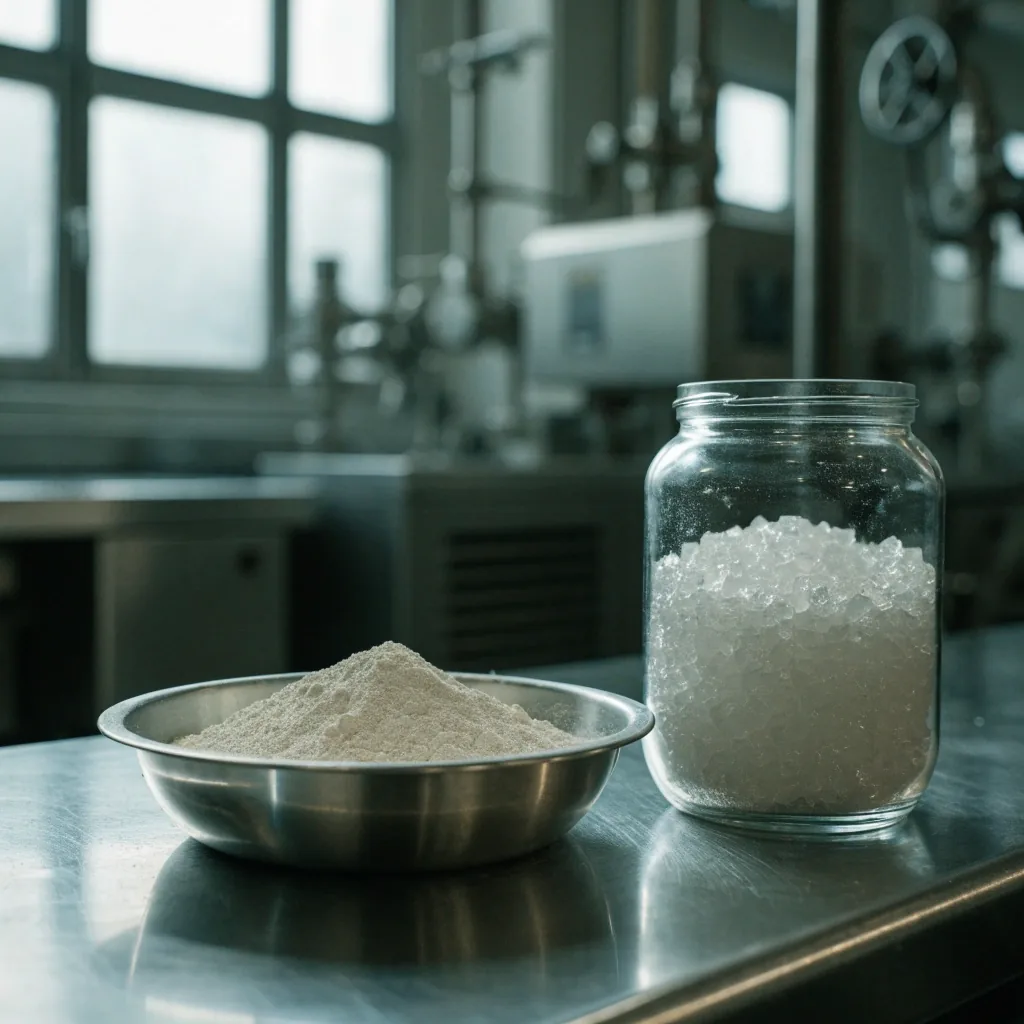
Erythritol: fine and crystalline powder
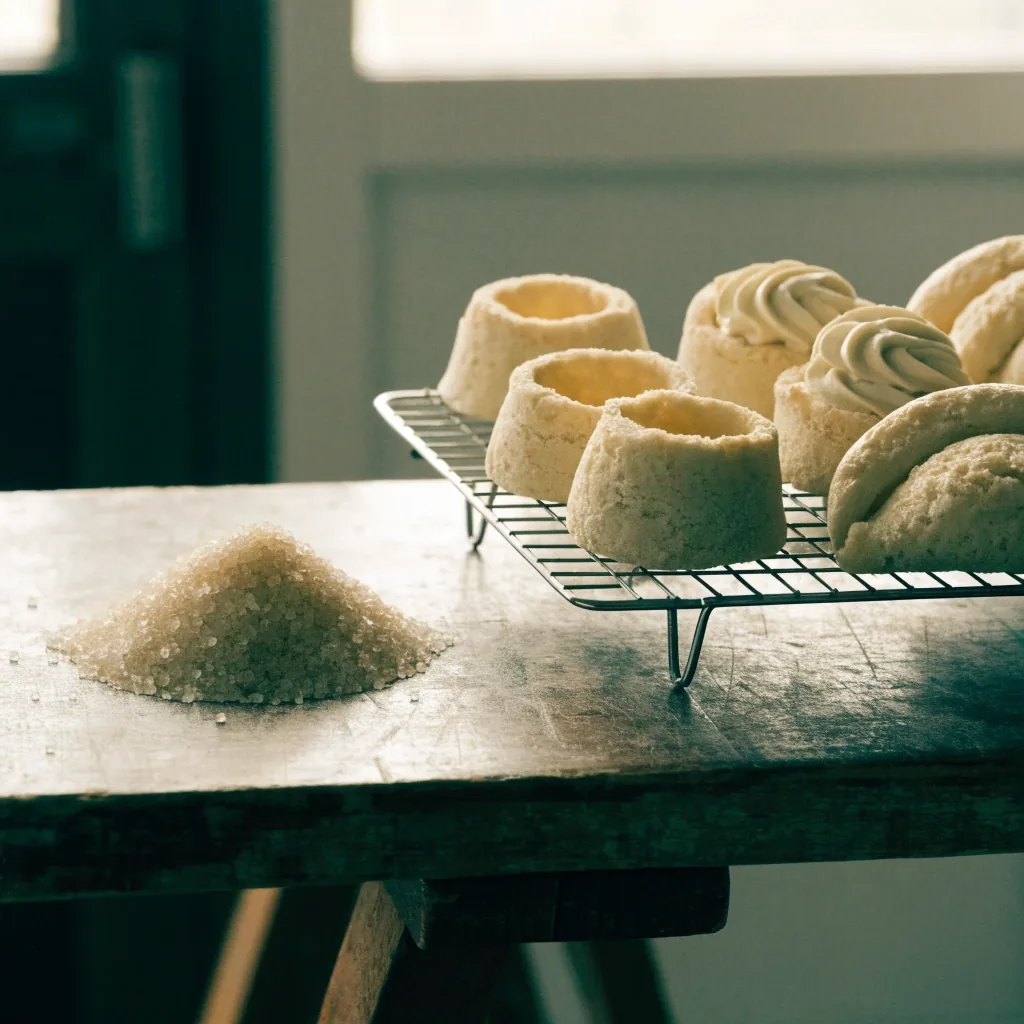
Erythritol is a polyol obtained by fermentation, often from organic corn. It provides about 60 to 70% of the sweetening power of sugar depending on the reference, with a fresh sensation in the mouth due to its cooling effect. Two particle sizes are offered: a fine powder that disperses well in dry mixes, and a coarser crystal for decorations and coatings. It does not caramelize like sucrose, which changes the coloring of doughs.
In baking, erythritol replaces part of the sugar without providing the moisture that sugar retains: plan to adjust liquids slightly, especially for long-leavened doughs. In confectionery and coating, the crystalline form provides a cleaner surface and a more regular crust than a very fine powder.
- Sweetening power
- 60–70%
- Particle sizes
- 2
- Raw material
- Organic corn
- Caramelization
- No
High-purity stevia: what the steviol content changes
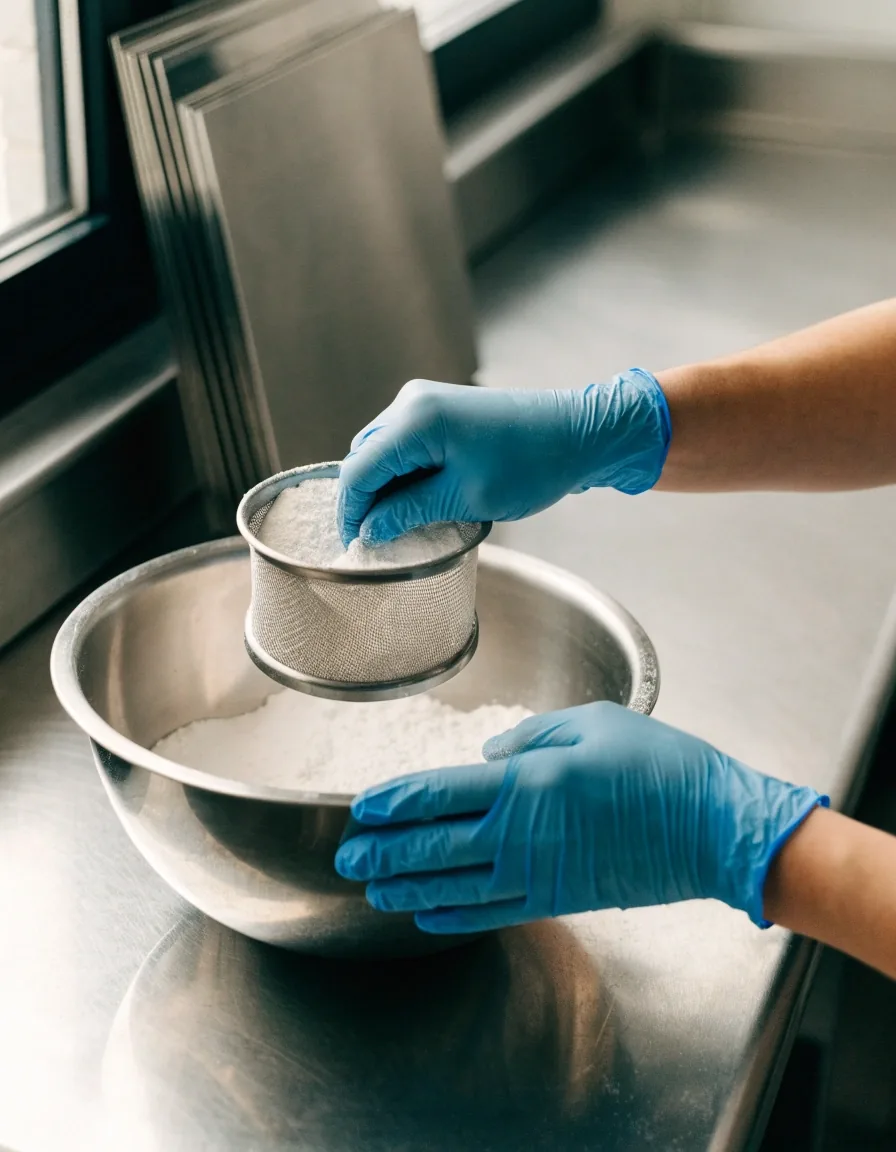
The stevia we distribute is dosed in steviol glycosides, and it is this rate that determines the taste. High purity reduces the vegetal aftertaste often criticized in low-end extracts. The product is dosed in very small quantities, so weighing precision matters more than with sugar. For drinks and creams, pure stevia allows for fine control; for baking, it is rarely used alone.
What your specifications should clarify
- Target steviol content, expressed as a percentage of the finished product.
- Expected carrier or diluent if you are buying a blend rather than a pure extract.
- Taste tolerance accepted for your drink or cream applications.
- Minimum purity threshold beyond which your internal audit requires verification.
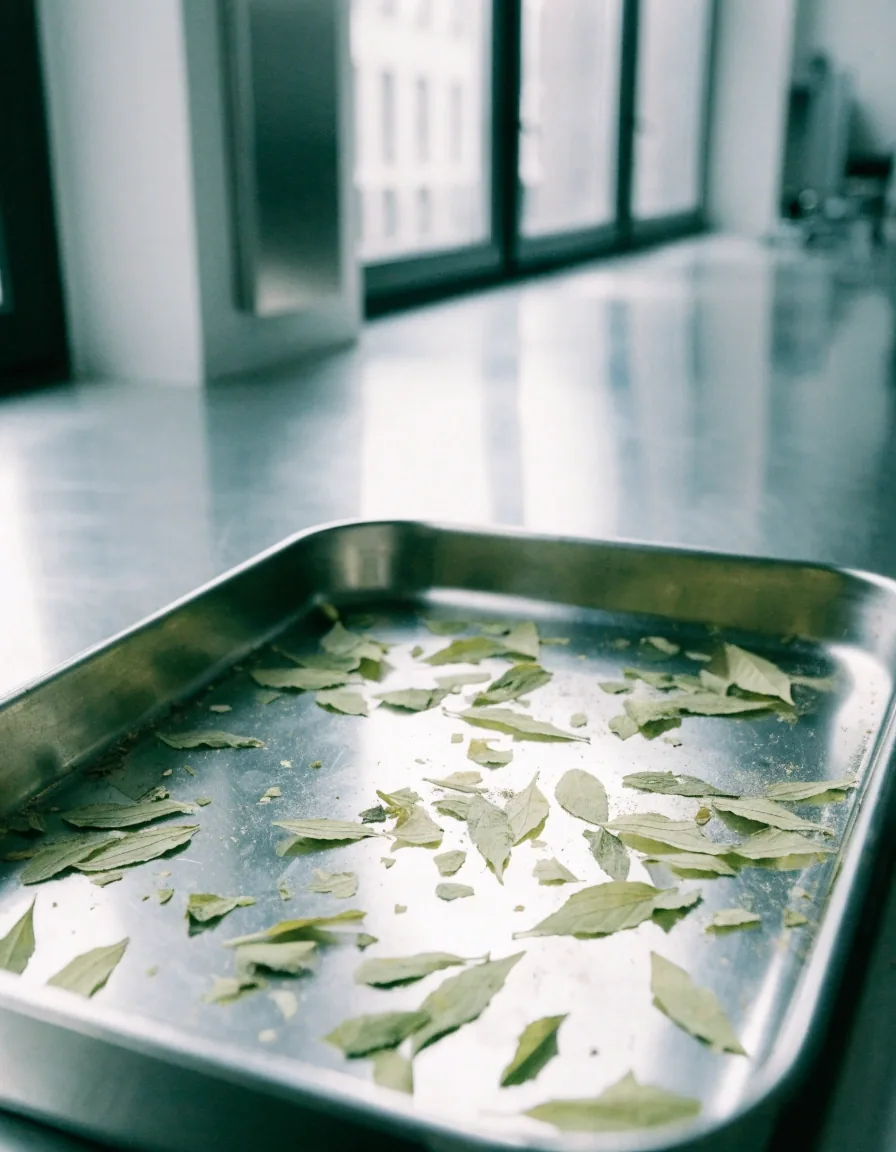
The steviol content is what separates an industrial-use extract from a tabletop extract.
1:1 blends: designed so you don't have to rewrite your recipes
A 1:1 blend combines a volume of erythritol and a dose of stevia to approach the sweetening power of sugar at an equivalent mass. The benefit is operational: your base proportions remain valid, you mainly correct for texture and coloring. This is the format most often requested by bakeries that want to test a sugar-reduced version without redoing their entire technical sheet.
What a 1:1 blend does not do
- It does not replace the structural role of sugar in a long-leavened dough: the crumb requires an adjustment of liquids and proofing time.
- It does not brown like sugar: on pastries, the coloring comes from elsewhere.
- It is not suitable for baked decorations that need real caramel.
Dietary fibers: inulin and acacia fiber
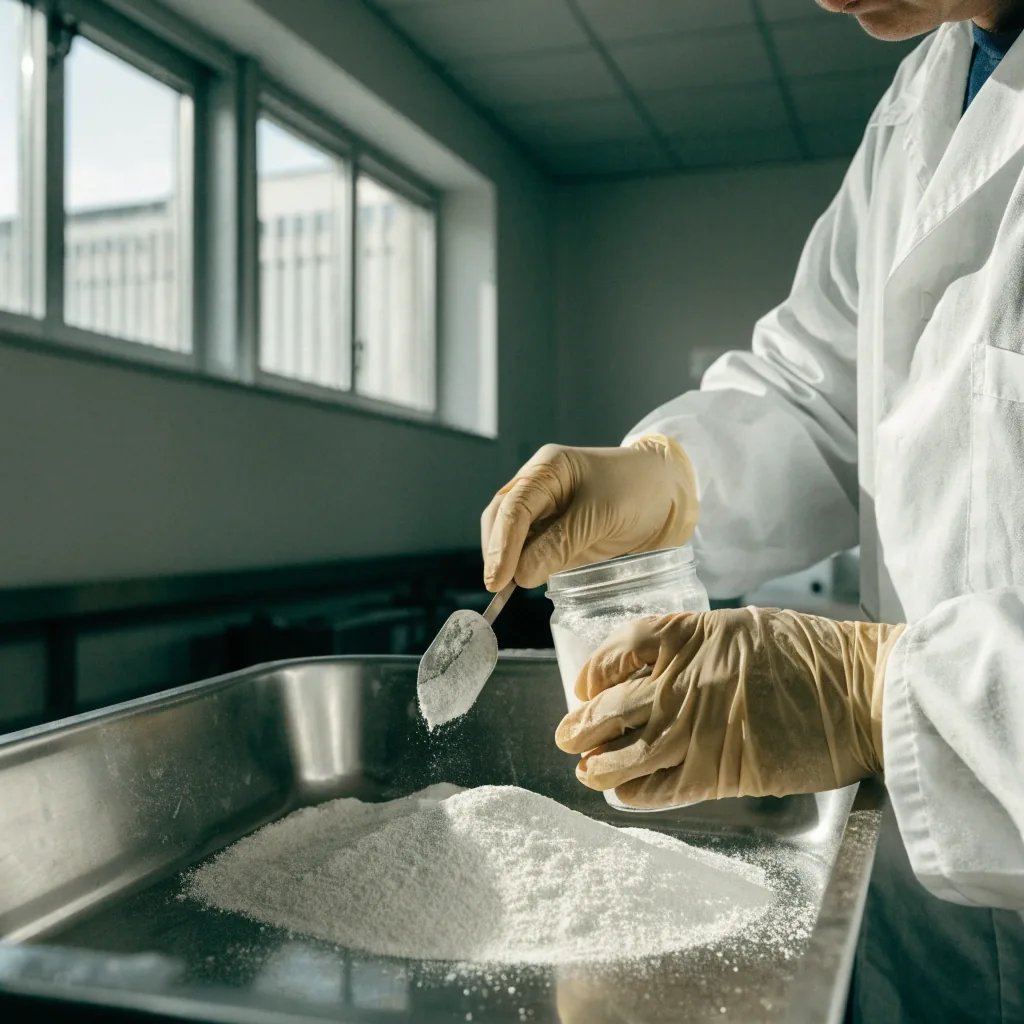
Inulin, extracted notably from chicory root, provides volume, retains water, and improves mouthfeel. Acacia fiber is more neutral in taste and tolerates acidic pH better, useful in drinks and fruit preparations. Both are used to replace part of the sugar without the texture collapsing. Beyond a certain replacement rate, the recipe's liquids must be reviewed.
Chicory inulin
Volume, water retention, rounder mouthfeel. Suitable for breads, biscuits, and dairy preparations.
Acacia fiber
Neutral taste, good stability in acidic environments. Suitable for drinks and fruit preparations.
Compare with what consumer brands do
It is useful to look at what exists downstream. Retail formats target households; ours target production, but the behavior in baking is the same. Here is how these references compare to what we deliver in bulk.
Liquid stevia or 1:1 powder: when to choose which
A liquid is dosed quickly in a cold drink; in baking, a 1:1 powder integrates better into dry mixes. For a workshop, the question arises in terms of the workstation, not personal preference: where is the scale, who is weighing, and how many weighings per day.
Organic sugar remains a reference for comparison
Not all your customers want zero sugar. Organic whole cane sugar, with its caramelized or malty taste, is still used for sweetening and baking and serves as a point of comparison. PRONATEC, for example, offers raw cane sugar, whole cane sugar, powdered sugar, and coconut sugar, sourced directly from small producer organizations. Our role is to provide the sugar-free building block that goes alongside, not to replace these supply chains.
In practice, a successful range often combines both: an organic whole sugar for taste and coloring, an organic sweetener to reduce the share of added sugar in the relevant references.
Specifications and batch documents
For each reference, we provide the technical specification, the batch certificate of analysis, and the organic certification of the supply chain. These documents are what your auditors look at. If your specifications impose a precise threshold, indicate it before ordering: it is better to verify than to correct after delivery.
- Technical specification Purity, particle size, moisture, solubility depending on the reference.
- Certificate of analysis Results of the delivered batch, linked to the batch number.
- Organic certification Supply chain document covering the raw material.
- Safety data sheet Available upon request for your quality and HSE departments.
Packaging and bulk dosage
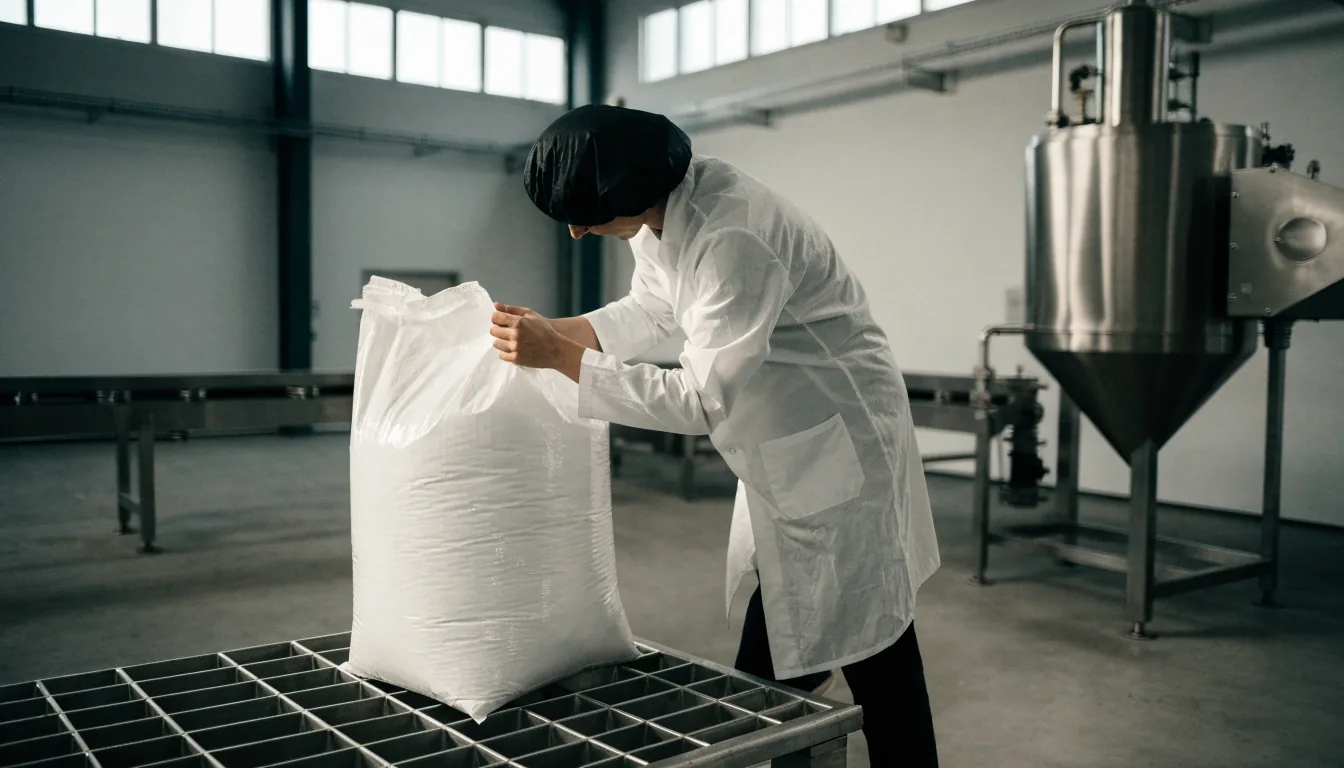
25 kg bags lined with a food-grade liner, one-ton big bags with a simple outlet, full pallets. For regular bulk dosage, the big bag avoids repeated handling of bags and limits losses. For erythritol and inulin, storage must remain protected from moisture: these powders clump if the ambient air is humid.
25 kg bag
Bag lined with a food-grade liner, suitable for small and medium series and recipe trials.
Manual handling possible, flat storage.
1-ton big bag
Simple outlet, for lines that consume the same reference several times a week.
Less handling, less waste at the end of the bag.
Full pallet
Full pallets for regular volumes, with a delivery plan aligned with your production.
Provide a dry area and pallet truck access.
How we work with the organic supply chain
Our raw materials come from documented organic supply chains, and each delivered batch maintains its traceability until you receive it. Organic certifications and certificates of analysis follow the goods: you do not depend on a central document that no one can find.
Regarding transport, we prioritize consolidated deliveries and full pallets, which reduces travel and intermediate packaging. For a workshop that regularly orders the same reference, the big bag and the pallet are also the formats that generate the least packaging waste.
Read our sustainable production approachFrequently asked questions about our raw materials
If your question concerns a specific threshold, a particular use, or a document you need to provide to an auditor, write to us: we respond based on the reference concerned.
Request a product technical data sheetCan we order a sample before a wholesale volume?
Do you need to revise your recipe when switching to a 1:1 blend?
How is erythritol stored in stock?
What documents accompany each batch?
Can you mix sweetener and organic sugar in the same range?
Next step: verify your reference
Indicate the reference, the approximate monthly volume, and any threshold in your specifications. We will get back to you with the corresponding technical data sheet, available formats, and prices per kilo and per ton.
Contact us
- Alpina Bio Ingredients AG
Bahnhofstrasse 42, 8001 Zürich, Schweiz - +41 21 828 15 78
- [email protected]
- Monday – Friday: 8:00 AM – 5:30 PM